
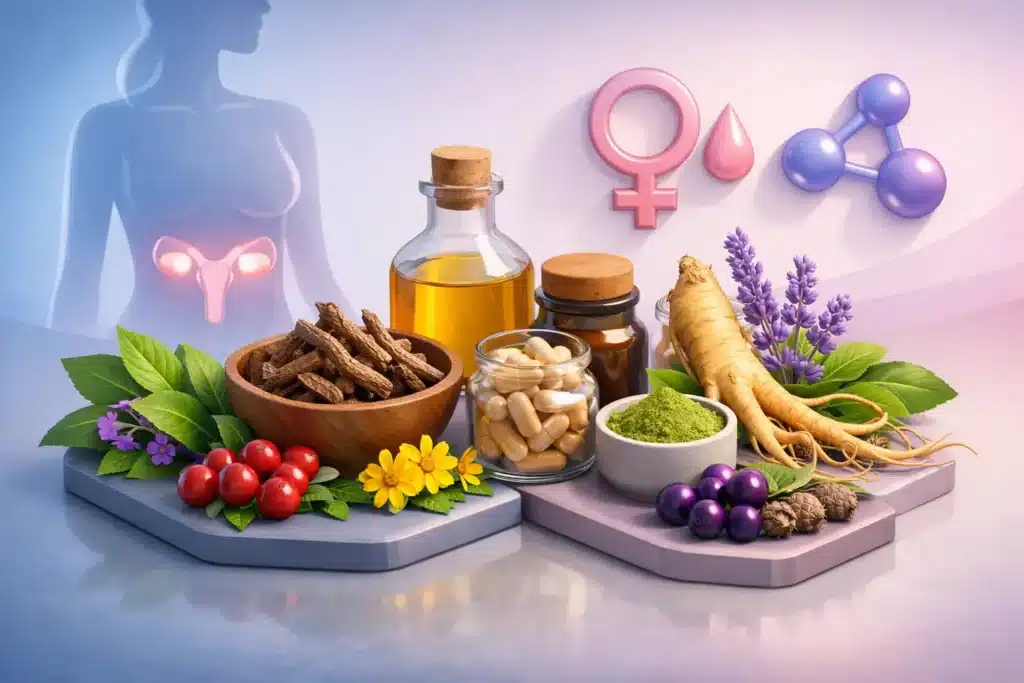
A regular cycle that suddenly changes, sleep that disappears before your period, hot flashes that interrupt a meeting, or fatigue that persists despite “doing everything right” can feel deeply frustrating. The best herbs for hormone support may offer meaningful relief for some people, but they work best when they are selected for your specific pattern, not simply added to a cabinet because they are popular.
Hormones respond to far more than one supplement. Stress load, blood sugar patterns, sleep, digestion, nutrient status, medication use, environmental exposures, and the natural transitions of perimenopause and menopause can all influence how you feel. Herbs can be valuable allies in a whole-person plan, yet the right herb depends on whether the primary concern is cycle regularity, stress resilience, hot flashes, unwanted facial hair, or another symptom pattern.
What “hormone support” should really mean
Hormones are chemical messengers involved in metabolism, mood, reproductive health, sleep, appetite, and energy. When they are out of rhythm, the body often sends signals long before a lab value is clearly outside a reference range. Those signals may include painful or irregular periods, PMS, low libido, acne, hair changes, anxiety, stubborn weight changes, night sweats, and trouble sleeping.
Herbal medicine should not promise to “balance hormones” in a blanket way. A better goal is to support the body systems that influence hormonal communication, including the stress response, liver clearance pathways, blood sugar regulation, and reproductive signaling. An herb that is helpful for one person can be unhelpful, or even inappropriate, for another.
For example, someone with high stress and disrupted sleep may benefit from a different approach than someone navigating estrogen-related symptoms in perimenopause. This is why individualized care matters more than chasing a single “best” hormone supplement.
7 best herbs for hormone support
1. Chaste tree for PMS and cycle concerns
Chaste tree, also called vitex, is often considered when PMS, breast tenderness, mood changes before a period, or irregular cycles are part of the picture. It is traditionally used to support communication between the brain and ovaries and may be especially useful when symptoms suggest changes in progesterone-related cycle support.
Vitex generally requires patience. Many people assess its effect over two to three menstrual cycles rather than expecting an immediate change. It is not a universal choice for every irregular period, and it should be discussed with a qualified practitioner if you use hormonal birth control, fertility medication, dopamine-related medication, or have a hormone-sensitive condition.
2. Ashwagandha for stress-related hormone symptoms
When stress feels like it has taken over your body, ashwagandha may be worth considering. This adaptogenic herb is commonly used to support a healthy stress response, energy, sleep quality, and a calmer mood. Chronic stress can affect cortisol rhythms, appetite, blood sugar, and reproductive hormone signaling, so addressing the stress piece can be foundational.
Ashwagandha is not automatically the right answer for everyone with fatigue. People with thyroid concerns, autoimmune conditions, pregnancy, or certain medication regimens need individualized guidance. It can also feel too stimulating for some people, particularly if taken at the wrong dose or time of day.
3. Maca for libido, mood, and menopausal transition
Maca is a root vegetable traditionally used for vitality and reproductive wellness. Many people use it to support libido, energy, mood, and sexual well-being during perimenopause or menopause. It does not contain hormones, but it may influence how the body adapts to stress and hormonal shifts.
Maca can be a gentle option when low desire and low energy occur together, especially if sleep and nutrition also need attention. Still, it is not a substitute for investigating new or significant hormone symptoms. A sudden change in libido, mood, or cycles deserves a closer look at the full health picture.
4. Black cohosh for hot flashes and night sweats
Black cohosh has a long history of use for menopausal symptoms, particularly hot flashes, night sweats, and sleep disruption related to temperature changes. Some women find it helpful during the transition through perimenopause, while others notice little difference. Its effects are individual, and research results have been mixed.
Because black cohosh may not be appropriate for those with liver disease or certain estrogen-sensitive health histories, professional guidance is essential. It should also not be viewed as the only option for menopause support. Food, movement, alcohol intake, stress, room temperature, and blood sugar swings can all affect hot flashes.
5. Red clover for menopausal comfort
Red clover contains isoflavones, plant compounds sometimes called phytoestrogens. These compounds may have mild estrogen-like activity in the body and are often used to support comfort during menopause, including occasional hot flashes.
That same quality makes red clover an herb that requires nuance. A person with a history of estrogen-sensitive cancer, unexplained bleeding, clotting concerns, or hormone therapy should not self-prescribe it. The question is not whether phytoestrogens are universally good or bad. The question is whether they fit your health history and current needs.
6. Spearmint for unwanted hair and acne patterns
Spearmint tea is a simple, accessible option sometimes used by women experiencing unwanted facial hair or acne associated with higher androgen activity. Small studies suggest it may support healthier androgen levels, but it is not a stand-alone treatment for polycystic ovary syndrome, known as PCOS, or other endocrine conditions.
If facial hair, acne, scalp hair thinning, missed periods, or weight changes are occurring together, they deserve more than a tea recommendation. Looking at insulin resistance, inflammation, nutrient status, stress, and ovarian function can help reveal the drivers behind the symptoms.
7. Holy basil for stress, mood, and metabolic support
Holy basil, also known as tulsi, is another adaptogenic herb traditionally used to support emotional balance, metabolic health, and the body’s response to stress. It may be a helpful part of a plan for people who feel wired, depleted, and prone to stress-related cravings or energy crashes.
Its role is supportive rather than corrective. If cortisol patterns, blood sugar instability, poor sleep, or digestive issues are continually pushing the body into stress mode, those foundations need attention alongside the herb.
How to choose herbs without guessing
The most effective herbal plan starts with your symptoms, history, and goals. Note whether your symptoms follow your cycle, appeared after stopping birth control, began during a highly stressful period, or changed during perimenopause. Also consider digestion, bowel habits, sleep timing, caffeine and alcohol use, dietary patterns, and exposure concerns. These details often point to the body systems that need the most support.
Targeted testing can add useful context when symptoms are persistent or confusing. Depending on the situation, a practitioner may consider hormone saliva testing, nutrient assessment, digestive health testing, or evaluating potential toxic burdens and environmental exposures. Testing is not meant to replace listening to your body. It can help connect the patterns you are already experiencing with a more personalized plan.
At Houston Holistic Health Clinic, this process is designed to move beyond symptom suppression. Nutrition, lifestyle medicine, and carefully selected herbal support can work together to help identify what may be contributing to your symptoms and create practical next steps.
Herbal safety matters
Natural does not automatically mean risk-free. Herbs can interact with prescription medication, affect blood sugar or blood pressure, and be inappropriate during pregnancy, breastfeeding, fertility treatment, surgery preparation, or certain medical conditions. Quality matters too. The dose, preparation, sourcing, and combination of herbs can change both effectiveness and safety.
Seek prompt medical evaluation for very heavy bleeding, bleeding after menopause, severe pelvic pain, fainting, new breast changes, rapidly worsening hair loss, or symptoms that feel sudden or severe. Herbs can complement conventional care, but they should not delay evaluation of potentially serious concerns.
The most helpful next step is often not buying another product. It is slowing down long enough to ask what your body has been trying to communicate. With a thoughtful assessment and the right support, an herbal plan can become one meaningful part of a steadier path back to energy, comfort, and confidence.
