
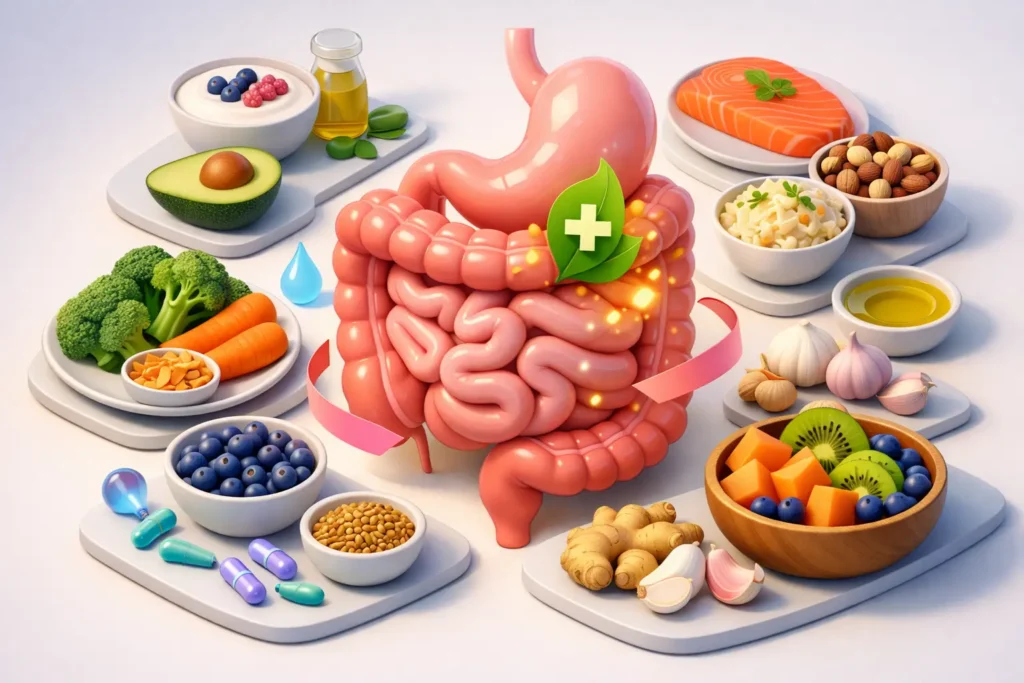
A bloated stomach after meals, unpredictable bathroom habits, heartburn, or a body that feels constantly inflamed can make eating feel stressful instead of nourishing. The best foods for gut repair are not a one-size-fits-all menu. They are foods that help support the intestinal lining, feed beneficial microbes, and reduce the burden on a digestive system that may already be irritated.
For some people, a bowl of yogurt or a serving of beans is helpful. For someone with significant food sensitivities, SIBO-like symptoms, active diarrhea, or histamine intolerance, that same food may worsen discomfort. This is why a root-cause approach matters. Food is powerful, but lasting digestive healing also depends on identifying what is driving the imbalance.
Why food choices matter for gut healing
Your digestive tract does much more than process meals. It helps absorb nutrients, supports immune function, communicates with the nervous system, and houses a vast community of microorganisms known as the gut microbiome. When this ecosystem is under strain from chronic stress, a highly processed diet, medications, infections, environmental exposures, or unrecognized food reactions, symptoms can show up far beyond the abdomen.
Fatigue, skin concerns, brain fog, headaches, joint discomfort, mood changes, and stubborn weight concerns can sometimes have digestive roots. No single food can repair every issue, but consistently choosing nutrient-dense, minimally processed foods gives the body meaningful raw materials for restoration.
12 best foods for gut repair
1. Bone broth
A well-made bone broth is gentle, hydrating, and rich in amino acids that support the body’s normal tissue-repair processes. Many people tolerate it well when their digestion feels sensitive or they are transitioning away from a highly processed diet. Choose a simple broth without excess sugar, artificial flavoring, or ingredients that you already know do not agree with you.
2. Wild-caught salmon
Salmon provides high-quality protein along with omega-3 fats. Protein supplies amino acids needed throughout the body, while omega-3s can support a balanced inflammatory response. If salmon is not available or appealing, sardines, mackerel, and trout offer similar benefits. Start with a modest portion if richer foods tend to trigger nausea or reflux.
3. Cooked leafy greens
Spinach, Swiss chard, kale, and collard greens provide folate, magnesium, vitamin C, and plant compounds that support overall wellness. Cooking them lightly often makes them easier to digest than large raw salads. If greens cause gas or cramping, begin with a few forkfuls rather than forcing a large serving.
4. Squash and sweet potatoes
Winter squash, zucchini, sweet potatoes, and carrots are calming staples for many sensitive digestive systems. They provide fiber in a softer, more tolerable form when thoroughly cooked. Orange vegetables are also rich in carotenoids, nutrients that support healthy mucous membranes throughout the body, including the digestive tract.
5. Blueberries
Blueberries offer polyphenols, naturally occurring plant compounds that beneficial gut microbes can use. They are also lower in sugar than many fruits and easy to add to breakfast or a smoothie. Fresh or frozen berries both work well. If fruit is currently difficult to tolerate, use a small handful with a protein-containing meal instead of eating a large bowl by itself.
6. Chia seeds
When soaked, chia seeds form a gel-like texture that can support regular, comfortable bowel movements for some people. They contain soluble fiber and healthy fats, but they need adequate fluids to be helpful. Try one teaspoon stirred into water, unsweetened coconut yogurt, or oatmeal before increasing the amount.
7. Oats
Plain oats provide beta-glucan, a soluble fiber that can nourish beneficial bacteria and support healthy cholesterol levels. Look for minimally processed rolled or steel-cut oats rather than flavored packets. Oats are not appropriate for everyone, especially those who react to gluten cross-contact or have identified oats as a personal trigger, so listen carefully to your body.
8. Lentils
Lentils contain fiber, plant protein, iron, and prebiotic carbohydrates that feed certain beneficial microbes. They can be extremely supportive once the gut is ready for them, but they are not always a good first step during severe bloating or active digestive distress. Soaking, rinsing, cooking thoroughly, and beginning with a few tablespoons can make a real difference.
9. Plain fermented vegetables
Sauerkraut, kimchi, and other fermented vegetables may introduce beneficial microbes and organic acids to the diet. The key is plain, refrigerated varieties without added sugar or unnecessary preservatives. A teaspoon of sauerkraut juice or a small bite of vegetables is enough to test tolerance. More is not always better, particularly for people who are sensitive to histamine-rich foods.
10. Unsweetened yogurt or kefir
Fermented dairy can be a useful source of live cultures and protein for those who tolerate it. Choose unsweetened versions with simple ingredients. However, dairy is a common concern for people with digestive symptoms, acne, congestion, or suspected food sensitivities. If yogurt leaves you bloated, itchy, fatigued, or uncomfortable, it may not be the right gut-supportive food for you right now.
11. Garlic and onions
Garlic and onions contain prebiotic fibers that help feed beneficial microbes. They add flavor without relying on processed sauces or excess salt. Yet these foods are also high in fermentable carbohydrates and can provoke significant symptoms in some people. Cooked garlic-infused oil may be a gentler option for someone who wants the flavor but cannot tolerate whole garlic or onion.
12. Extra-virgin olive oil
Extra-virgin olive oil contains monounsaturated fats and antioxidant compounds that fit naturally into an anti-inflammatory eating pattern. Use it on cooked vegetables, fish, soups, or salads you tolerate well. It is a simple upgrade from heavily refined oils and helps make nutrient-rich meals more satisfying.
Build a gut-supportive plate without overwhelming your system
When digestion is unsettled, radically changing your diet overnight can backfire. A better approach is to simplify. At most meals, include a protein source, one or two cooked vegetables, a nourishing fat, and a carbohydrate that feels comfortable for your body. For example, baked salmon with roasted zucchini and sweet potato is often easier on the gut than a restaurant meal built around fried foods, refined flour, sugar, and multiple sauces.
Introduce one new food at a time and pay attention for two to three days. Notice not only bloating and bowel changes, but also energy, sleep, skin changes, cravings, mood, and joint comfort. A food journal can reveal patterns that are easy to miss when symptoms have become part of everyday life.
Fiber deserves special attention. Many people hear that fiber is good for the gut and immediately add large amounts of raw vegetables, beans, bran, and supplements. If the microbiome is imbalanced or the digestive tract is inflamed, that sudden increase can create more gas and pain. Gentle, gradual increases are usually more effective than pushing through discomfort.
Foods that can slow down progress
Gut repair is not about perfection or permanent restriction. Still, it is wise to reduce the foods that commonly create more digestive stress: ultra-processed snack foods, added sugars, artificial sweeteners, frequent alcohol, fried foods, and highly refined oils. These choices can displace nutrient-dense foods and may contribute to inflammation or microbial imbalance in susceptible individuals.
Personal triggers matter just as much. Eggs, gluten-containing grains, dairy, soy, corn, and certain healthy foods can be problematic for some people. Avoiding foods blindly for months is not the goal. The goal is to identify your specific reactions, nourish your body well, and create a sustainable way of eating.
When a personalized plan is needed
If you have ongoing pain, persistent diarrhea or constipation, unexplained weight changes, blood in the stool, trouble swallowing, or severe fatigue, seek appropriate medical evaluation promptly. These symptoms deserve careful attention and should not be managed with diet alone.
For chronic but less urgent concerns, personalized nutrition and GI health testing may help clarify whether food sensitivities, microbial imbalances, poor digestion, toxic exposures, or nutrient deficiencies are contributing to your symptoms. At Houston Holistic Health Clinic, the focus is on understanding those patterns and building natural, practical support around your individual needs.
Start with one nourishing change that feels realistic this week. A warm bowl of cooked vegetables, a protein-rich breakfast, or replacing a processed snack with berries and chia may seem small, but steady, well-chosen steps give your body the conditions it needs to move toward healing.
